
Safety Essentials For Taking On The 3 Peaks Challenge UK
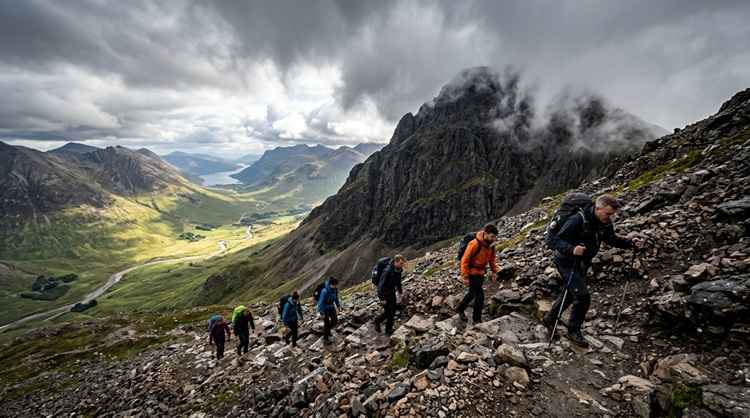
One of the most fulfilling outdoor experiences in Britain is the National Three Peaks Challenge. It takes meticulous planning, physical stamina, and a strong dedication to safety to cover three of the nation’s highest mountains in a short amount of time. While reaching each peak is a thrilling accomplishment, the trip demands considerably more than excitement. Proper preparation, dependable equipment, and educated decision-making all contribute to a great event.
Table of Contents
Increase Your Level Of Fitness Before The Challenge
One of the most critical safety measures before embarking on the 3 Peaks Challenge UKis getting your body ready. Long walks over rocky pathways, high ascents, uneven terrain, and changing weather conditions are all part of the itinerary. Hiking, aerobic exercise, weight training, and endurance walks are all part of a progressive training regimen that may lessen tiredness and injury risk.
Practice walking with a heavy rucksack to feel comfortable carrying vital supplies. Your muscles can better adapt to the demands of mountain settings when you train on hills whenever you can.
Choose The Right Clothing
Even in the summer, the weather in the mountains may change quickly. Layered gear allows for versatility to be warm, dry, and comfortable throughout the struggle. Moisture-wicking base layers, insulating mid layers, and waterproof outer coats give protection against rain, wind, and chilly temperatures.
Steer clear of cotton clothes since they absorb moisture and increase the chance of being cold. Regardless of the season, you should also bring gloves, a thick cap and waterproof pants.
Put On The Right Shoes
On muddy paths, uneven terrain, and loose boulders, supportive hiking boots with superior grip assist in preventing mishaps. Before the challenge, boots should be completely broken in to prevent uncomfortable, lengthy treks or severe blisters.
High-quality hiking socks may reduce friction and increase comfort. It’s also helpful to have an additional pair of dry socks on hand in case the weather becomes damp.
Climbing Ben Nevis: How To Prepare
Because of its height and erratic weather, climbing Ben Nevis involves special safety problems. Even seasoned hikers may find it challenging to navigate when visibility is reduced in a matter of minutes due to thick fog, rain, and high gusts.
Instead of depending only on mobile devices, have a comprehensive map and compass with you and know how to utilise them. Because battery life and signal coverage are not always assured, GPS apps are helpful but should never take the place of conventional navigational aids.
Understand Mountain Weather
Checking weather predictions before leaving is vital, but circumstances might still shift unexpectedly. The challenge’s difficulty may be greatly increased by strong winds, heavy rain, thick clouds, and abrupt temperature decreases.
Be prepared to change your plans if weather conditions become dangerous. Sometimes the safest course of action is to turn around, and this should never be seen as a sign of failure.
Honour The Difficulties Of Scafell Pike Climbing
Because parts of the mountain include rough slopes, loose stones, and unclear approaches, particularly in low visibility, climbing Scafell Pikerequires cautious attention. By staying on designated paths, you may lessen your effect on the ecosystem and lower your risk of becoming lost.
Don’t hustle to fulfil deadlines; instead, walk at a comfortable pace. It’s safer to keep making steady progress rather than pushing yourself too far.
Take A Team Hike
Completing the Three Peaks Challenge with others makes it safer. Members of the team may keep an eye on each other’s health, trade equipment as needed, and provide support at challenging times.
Before beginning, decide on a communication strategy and make sure that no one gets lost in the group. Regular rest periods also enable everyone to recuperate while confirming that each person is fit to continue.
Know Your Limits
Every participant has varied degrees of expertise and fitness. Listening to your body is one of the most critical safety behaviours during mountain excursions. Signs such as dizziness, acute exhaustion, dehydration, or muscular cramping should never be disregarded.
You may avoid more significant issues later in the trip by slowing down, eating, drinking, and taking quick rests. Responsible decision making helps to ensure both personal safety and the wellness of the whole group.
Proper planning, proper equipment, strong navigation skills, and respect for mountain conditions are the cornerstones of a safe and pleasurable Three Peaks expedition. You may have an amazing time on Britain’s famous mountains while reducing needless dangers by concentrating on careful preparation and making safety your first priority during the trip.

Leave a reply
You must be logged in to post a comment.