
Beyond Portugal’s Coast: Finding Space to Slow Down in the Forested Interior
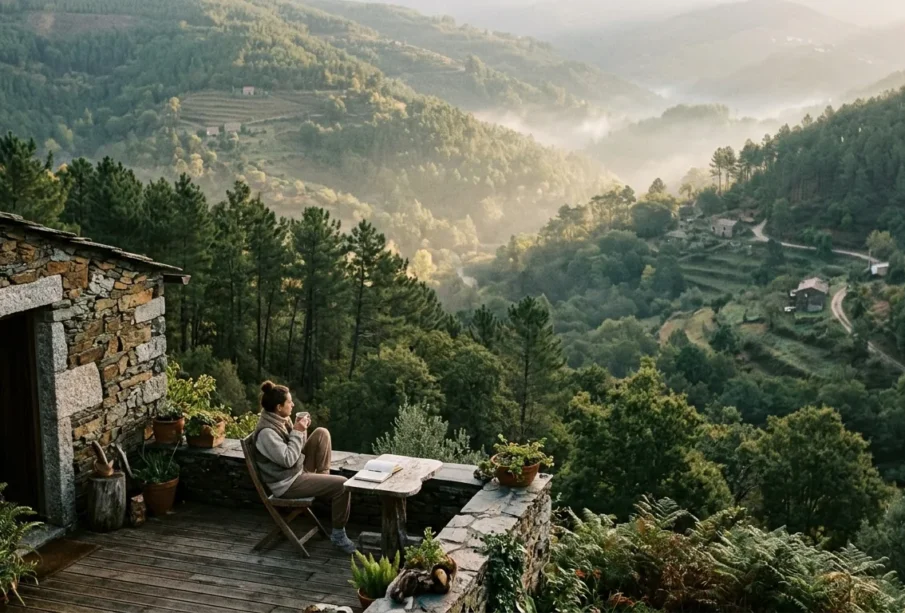
In central Portugal, river valleys, schist villages and quiet woodland offer a different kind of escape—one shaped by the landscape and the freedom to take your time.
Portugal’s best-known destinations often draw visitors to its Atlantic beaches and historic cities. Inland, the pace changes. Around Oleiros, in the country’s Centro region, pine-covered hills rise above river valleys, and small villages sit among the folds of the landscape. It is a place for walking, swimming, exploring local history and seeing a quieter side of Portugal.
The terrain helps explain the region’s character. Oleiros lies in a landscape of varied elevations, shaped by valleys including those of the Zêzere River and the Ribeira de Oleiros. The hills, waterways and wooded slopes create a setting where journeys between villages can be as memorable as the destinations themselves. Streams and rivers cut through the terrain, creating greener corridors within the woodland.
Table of Contents
Following the Zêzere
The Zêzere is one of central Portugal’s defining natural features. It winds between mountain ranges and wooded slopes, passing villages and river beaches before reaching a series of reservoirs. Along its banks, visitors can find places to pause by the water and settlements that preserve traces of older ways of life.
Some nearby villages are part of the Schist Villages network, known for traditional stone architecture and their relationship with the surrounding landscape. The village of Álvaro, in Oleiros municipality, is notable for whitewashed houses arranged along a single street. Other villages in the wider region feature slate buildings, old mills and riverside paths. These places offer glimpses of how people have adapted to the contours and materials of the land over generations.
A visit need not be built around a long checklist. A short walk, a meal in a local restaurant or an afternoon by a river beach can be enough to make a day feel full. The region’s food offers another way to connect with local traditions. Oleiros is known for dishes including maranhos, trout and cabrito estonado, a local preparation of kid goat. Local menus and recipes vary, so asking what is in season can be part of the experience.
A landscape that invites a slower visit
Inland travel can reward visitors who leave room in their plans. Roads lead between small settlements, viewpoints and walking routes, while the river and forest create natural reasons to stop. Around Oleiros, visitors can explore routes near the town, walk to the Fraga de Água d’Alta waterfall, or take in the view from Cabeço Mosqueiro. Distances, weather and trail conditions are worth checking locally before setting out, especially during hot or dry periods.
The landscape changes with the seasons. In warmer months, river beaches and shaded paths offer a welcome break from the midday sun. Spring and autumn can bring cooler conditions for walking, with shifting colours across the hillsides. Even a short outing can reveal contrasts between open viewpoints, wooded slopes and the cooler air near streams.
For some visitors, slowing down also means setting aside time for movement and rest. Yoga, meditation or a gentle stretch after a walk can make a nature-focused trip feel more restorative. Near Amieira, Yoga Evolution Retreats offers residential stays that combine yoga with time in the surrounding countryside. Its location gives guests a base from which to enjoy the rural setting, whether that means joining a class, walking nearby trails or spending time quietly outdoors.
A retreat is one way to experience the area, but visitors can also build their own itinerary. A day might include a village visit, a riverside picnic and an unhurried evening meal. Those with more time can explore several settlements or pair rural stops with larger historic towns elsewhere in central Portugal. The key is to allow for the slower pace of travel between places, rather than treating each stop as a quick photo opportunity.
The region’s appeal lies in this combination of place and pace. There are villages to discover, local dishes to try and riverside scenery to enjoy, but there is also room to do very little. Away from the coast’s busiest routes, central Portugal offers a quieter way to travel: follow the river, take the longer path, and let the landscape set the rhythm.



Leave a reply
You must be logged in to post a comment.


